
He’d booked the session to talk about money. Specifically, he wanted to know how to make the most of an ISA, how compound interest worked, and whether there was a way to claw back some breathing room before the next unexpected bill landed.
That’s not actually what the session ended up being about.
What he said he needed
On paper, his situation looked manageable. No credit card debt. No loans. A joint savings pot with a healthy five-figure balance. A stable job he’d held for years and genuinely liked. By most measures, he was doing better than a lot of people in their early thirties.
But he arrived at the call sounding like someone bracing for bad news that hadn’t happened yet. He used phrases like “scraping by” and “struggling” about a financial picture that, from the outside, had real strengths.
He’d recently had to replace his laptop and described it less like an inconvenience and more like a small crisis. He was a first-time homeowner a few months into a renovation that had gone sideways. Multiple tradespeople, multiple do-overs, a project that was meant to take ten days and was closing in on six weeks.
He wanted budgeting tips. He wanted to understand savings products better. He said, more than once, that he was “a complete novice” with this stuff.
What was actually going on
About ten minutes in, a different picture started to form.
He wasn’t wrong that budgeting confused him, it did, genuinely.
Numbers on a page, products with names like ISAs, the difference between an individual bank account and a joint one: none of it sat comfortably in his head, and he was visibly embarrassed about that, more than once apologising for not already knowing things he assumed everyone else just understood. But underneath that confusion was something heavier, a constant sense of being out of control.
A house project he didn’t fully understand the terms of.
A household where he’d quietly cast himself as “the lower earner,” the less capable one, the one who just tries to keep his head down and get through the month.
Every time the conversation moved toward a number, he’d defer: “she’s more clued up with that,” “she’s handling that side of things,” “I’ll leave that to her.” Not with resentment, more like it had become a settled fact about who he was in this partnership. We all have roles, I’m the admin, calendar organiser, IT department in our house. But when it comes to money, it’s really got to be a team effort and ours certainly is.
The laptop problem wasn’t really about the laptop. It was a stand-in for a feeling: that life kept throwing things at him faster than he could prepare for, and that he didn’t have the tools, or the confidence to push back.
The solution that wasn’t on the agenda
He didn’t need a masterclass in ISAs, thank goodness for me as product specific support isn’t what people need me for. He needed two much smaller, much more achievable things.
The first was permission to feel less ashamed. Naming, out loud, that having no debt and five figures in savings while going through a brutal renovation isn’t financial failure, it’s just a hard 12 months. This recognition did more for him in thirty seconds than any spreadsheet could have. He visibly relaxed when I simply said: you’re actually in a good position, even though it doesn’t feel like it right now.
The second was a method, not a lesson. He mentioned, almost as an aside, that he’s a visual learner, that he likes to write things down and see them. So instead of explaining percentages and interest rates, we built a plan around post-it notes and a calendar. Months written out. Expected costs sketched in. A rough shape to the chaos, something he could literally see on his fridge instead of carrying around in his head.
He left calmer. Not because his renovation problems were solved, they weren’t, not even close, but because he now had a way to make the unknown feel slightly less unknown. Just to have that permission that he’s on a learning trip, like most of us are, to gain more life knowledge by not being afraid to ask questions until the answers made sense, was a real awakening.
The bit that’s still unfinished
There’s a thread we didn’t get to pull on, not in one short session. The way he talked about his role in the relationship, the lower earner, the one watching his partner do all the heavy lifting while quietly thinking she shouldn’t have had to. It sounded less like a financial issue and more like a partnership figuring out, under pressure, how two people share both money and decision-making. And that, as many of us know, is a BIG thing to get right.
That’s not something a single conversation about budgeting was ever going to fix. But it’s worth naming, because it’s a reminder that when someone asks for help with money, they’re not always asking for the thing they think they’re asking for. Sometimes the real ask is quieter: tell me I’m not failing, and give me something I can actually hold onto.
Where this kind of work actually lives
This is exactly the gap The Fairy Godmother Experience was built for.
A lot of financial advice assumes the problem is a lack of information, and that the client is simply not doing the thing that makes sense logically. That if they just understood ISAs, compound interest, or budgeting categories well enough, the anxiety would lift on its own. Sometimes that’s true. More often, especially when someone is mid-crisis, the numbers are the symptom, not the disease. The real work is steadying someone enough that they can think clearly, then giving them a structure simple enough to actually use when life is still chaotic.
That’s the whole premise of this experience: not a magic wand, not “here’s your budget, off you go” and stick to it, but a relationship that holds both the practical and the emotional at once, over more than one sitting, because almost nobody untangles their relationship with money in thirty minutes.
THE EXPERIENCE is designed specifically for someone who needs a bit more unravelling to get to the nugget of the problem. For the person who is really unconfident in their abilities to grasp this, or the person who knows that everything feels like a mess and they don’t know where to start.
Here’s how the next two sessions unfurled for him:
Session two: Naming the real picture, together.
With the panic of session one settled, and trust built, this is where we’d actually open the spreadsheet or rather the post it’s & notebooks. We mapped out the renovation timeline he’d started sketching on post-its, layer in the eventual rental income, and turn “I think we could understand it and talk through it” into an actual shared document both of them use. This is also where I gently test what he really understands about products like ISAs, rather than assuming not to catch him out, but so the explanations land at the right altitude instead of past him. Something he can approach in a few months when the biggest stressor has subsided. And, crucially, where to go for this kind of support.
But the point of this session is to reveal the numbers, as they are, and start to point them towards the end goal. And end goals will change, but this process can be repeated. It’s sustainable.
Are the bank accounts lined up to accommodate these goals? Are they simple, clear and user friendly? Do both partners know what they are contributing to, how much and how exciting this is?
Session three: Rebuilding his seat at the table.
This is the session that isn’t really about money at all, even though it’ll look like it is. We talked about what it’s meant for him to have created this role. Not couples therapy, that’s not my lane, but enough space to ask: what would it look like for you to feel like an equal architect of this plan, not a passenger in it? Often, that single shift in how someone sees their own role does more for their financial confidence than any spreadsheet ever could.
By the end of three sessions, the goal isn’t that he’s become a finance expert with everything in place. It’s that he walks into his next unexpected repair, leak, or invoice with a place to put it. A plan he helped build, a voice he trusts using, and the quiet knowledge that he’s not scraping by. He’s just in the middle of something hard, with someone in his corner until it isn’t.









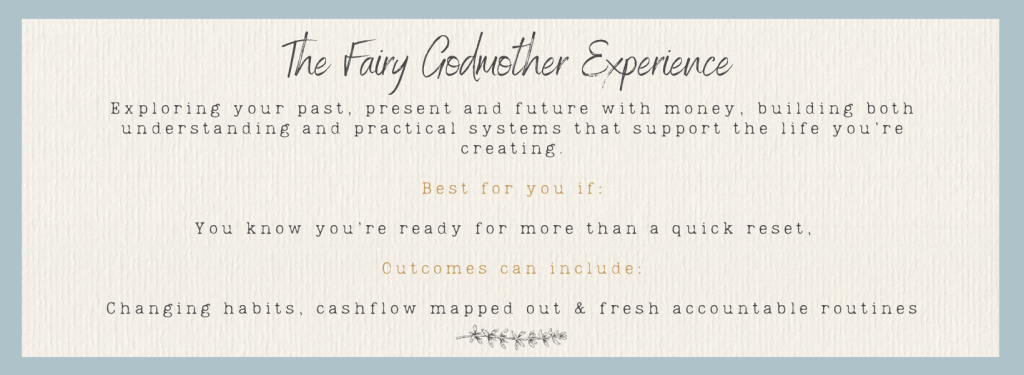



The Fairy Godmother Experience
Three sessions of practical financial mentoring delivered with lashings of emotional intelligence. We take things at your pace overcoming any anxiety about maths or tech.
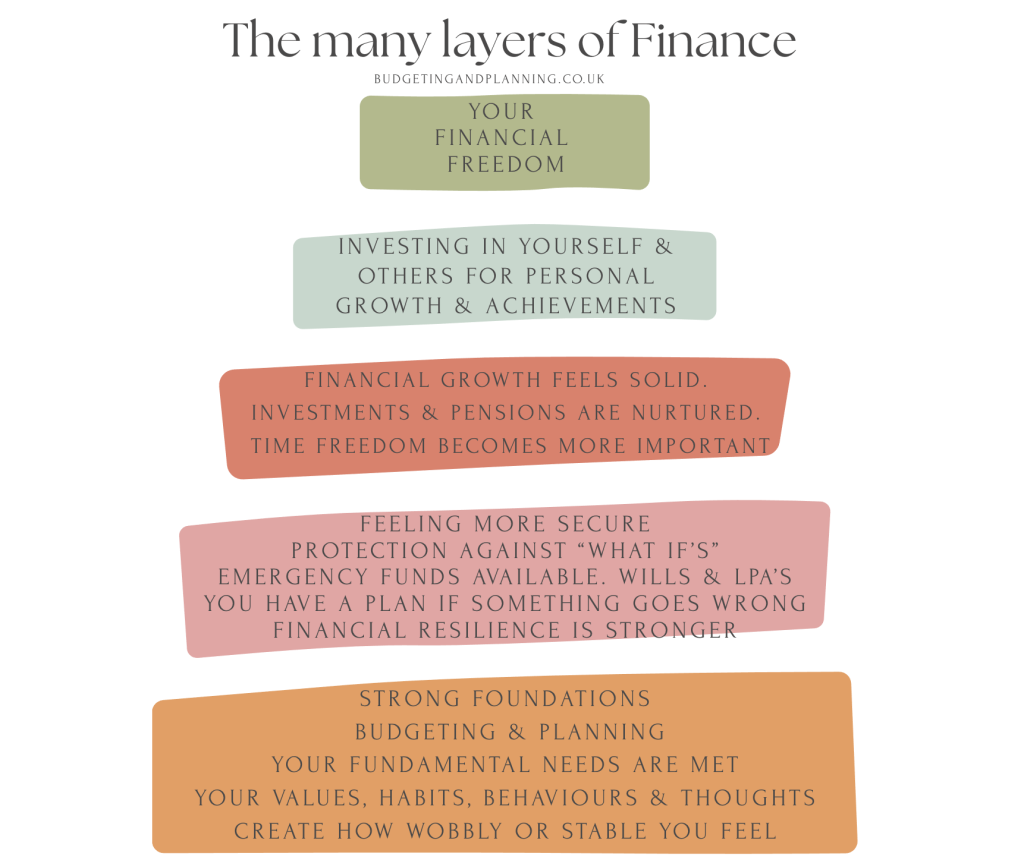
Your season of life is now putting you in the spotlight to manage your finances, let’s lay the best solid foundations for you.
Our barn renovation continues…
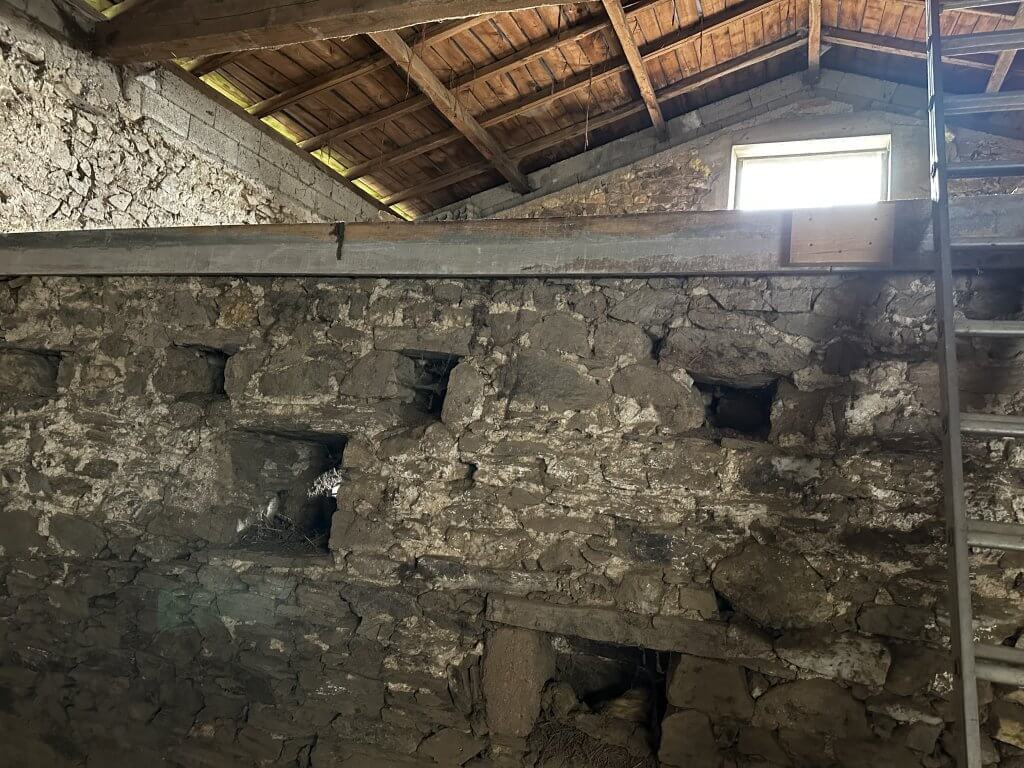
We’re renovating, slowly, our barn and home that we bought 6 years ago. My husband is an architect, I know, I’m lucky! BUT we have a smaller than expected budget, long story for another time, so it’s been essential that we seriously keep an eye on the pennies & euros.
Here’s the thing;
He has been using a spreadsheet for decades for his architectural business projects. It’s a bit serious for most of our home based tastes, but I wonder, if I were to create a gorgeous user friendly version, if you’d love this to manage all kinds of projects with?
Do let me know in the comments OR pop your email address into here so that you get my fortnightly emails! This way, you can be involved in the creative process as I often ask my lovely penpals questions about what they’d find most useful, so I create what is truly wanted.
Until next time
Lucy x
ps. my characters are always a mash up of real clients not one person’s story unless I have their permission.

0 Comments